Middle Head
Middle Head, Sydney Harbour: shore dives from Cobblers and Obelisk beaches, with GPS positions and a circumnavigation by scooter.
Not the most usual dive sites, which is exactly why they are here. GPS positions are WGS84 throughout.
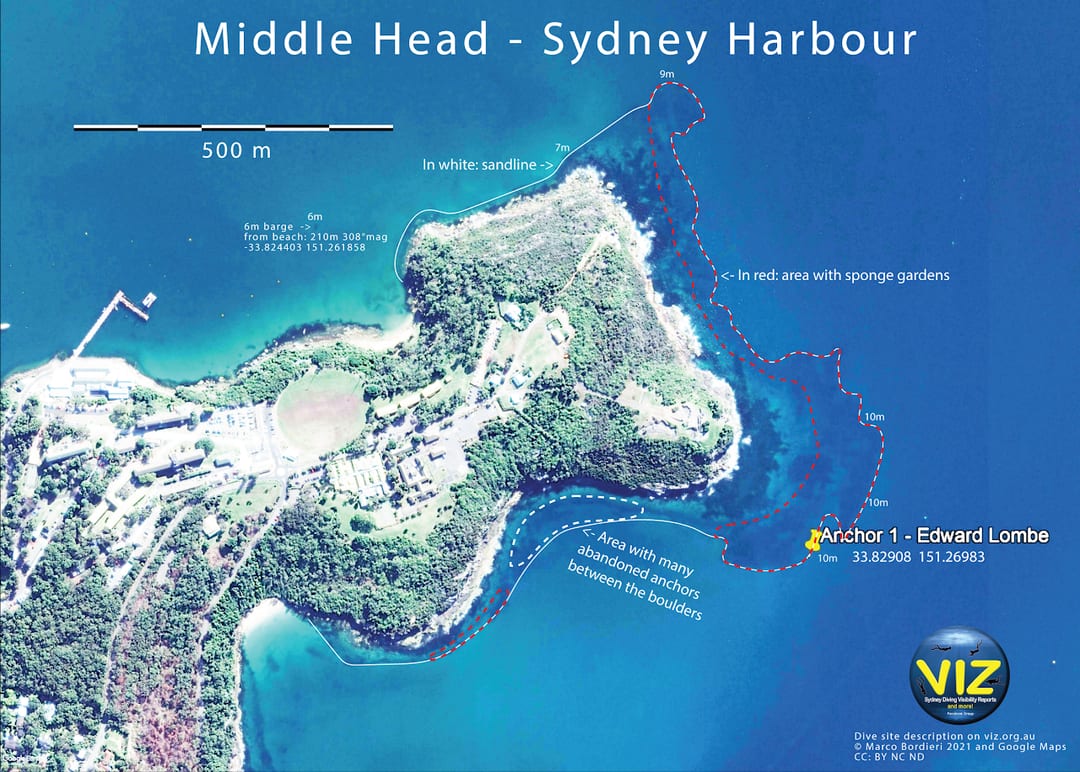 The Middle Head map
Boat traffic
The head is busy with boats, and the easternmost corner borders the shipping channel. The Manly ferry passes close and at speed.
The circumnavigation below has long stretches with no shore access — the midway point is marked on the map in case you need to abort and get out.
Cobblers to Obelisk, with a scooter
In June 2021 I circumnavigated the head, entering at Cobblers and exiting at Obelisk. I parked above Cobblers, walked down to drop the gear, camera and scooter on the beach, then walked back and moved the car to the Obelisk car park.
The visibility that day was 8–10 m, which is not common, though the proximity to the harbour mouth helps. I came across a skittish sea turtle, a lot of blue gropers, and a school of yellowtail thick enough to block the view.
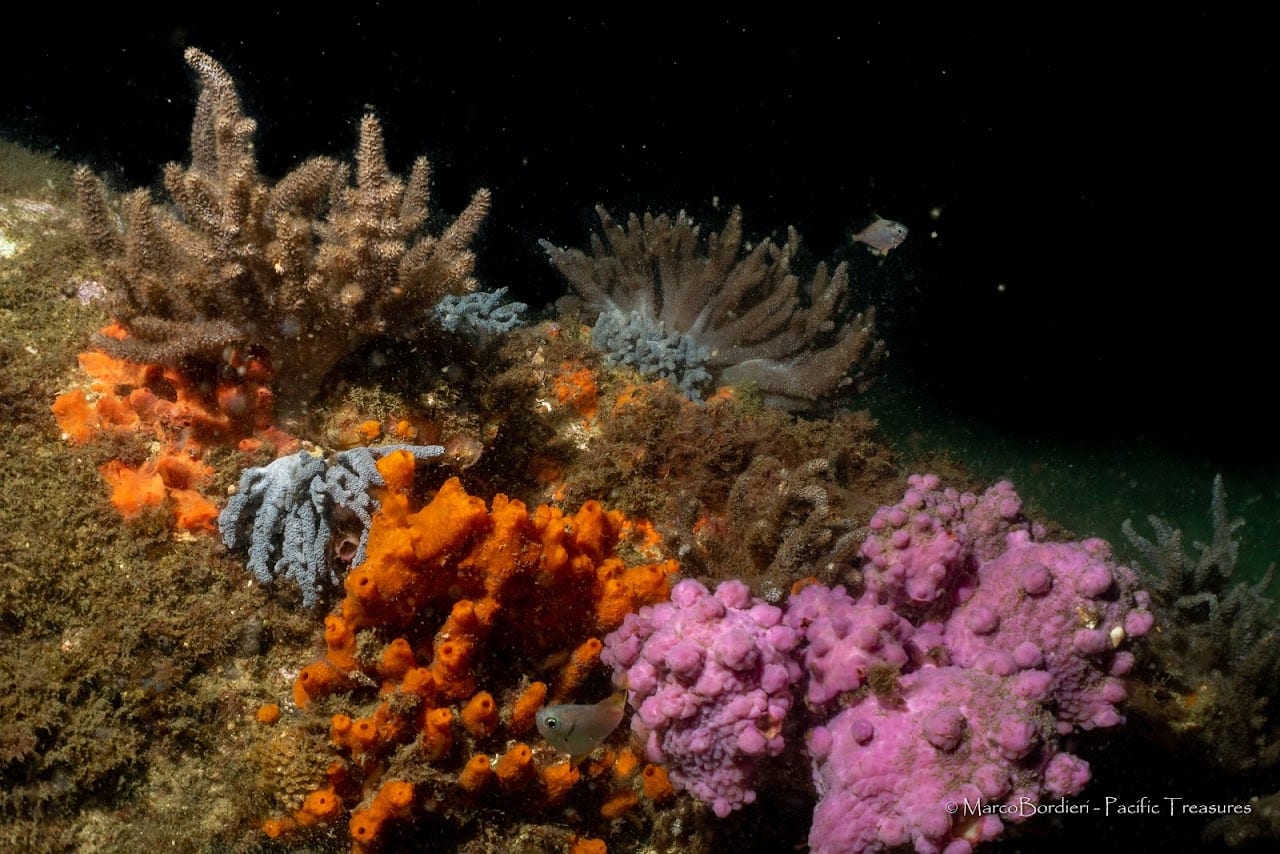
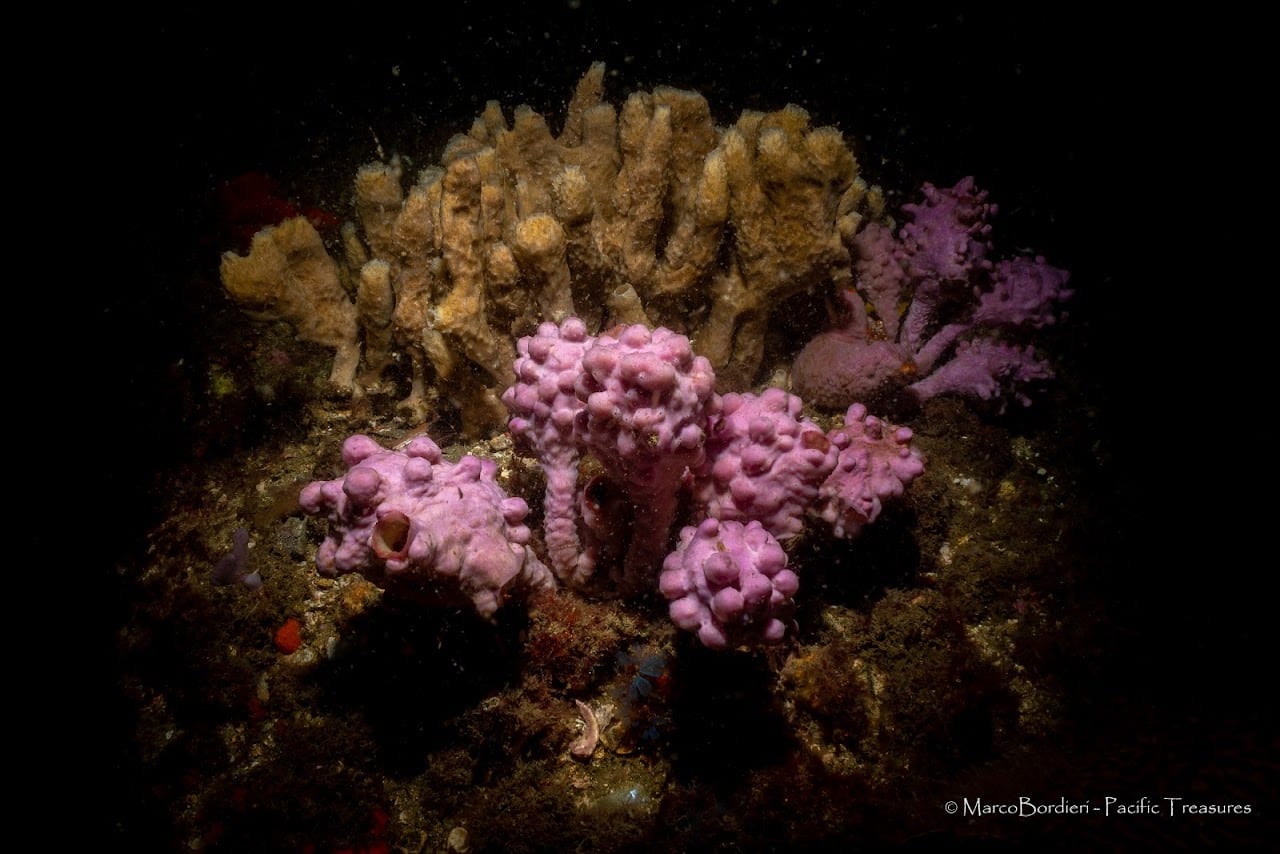
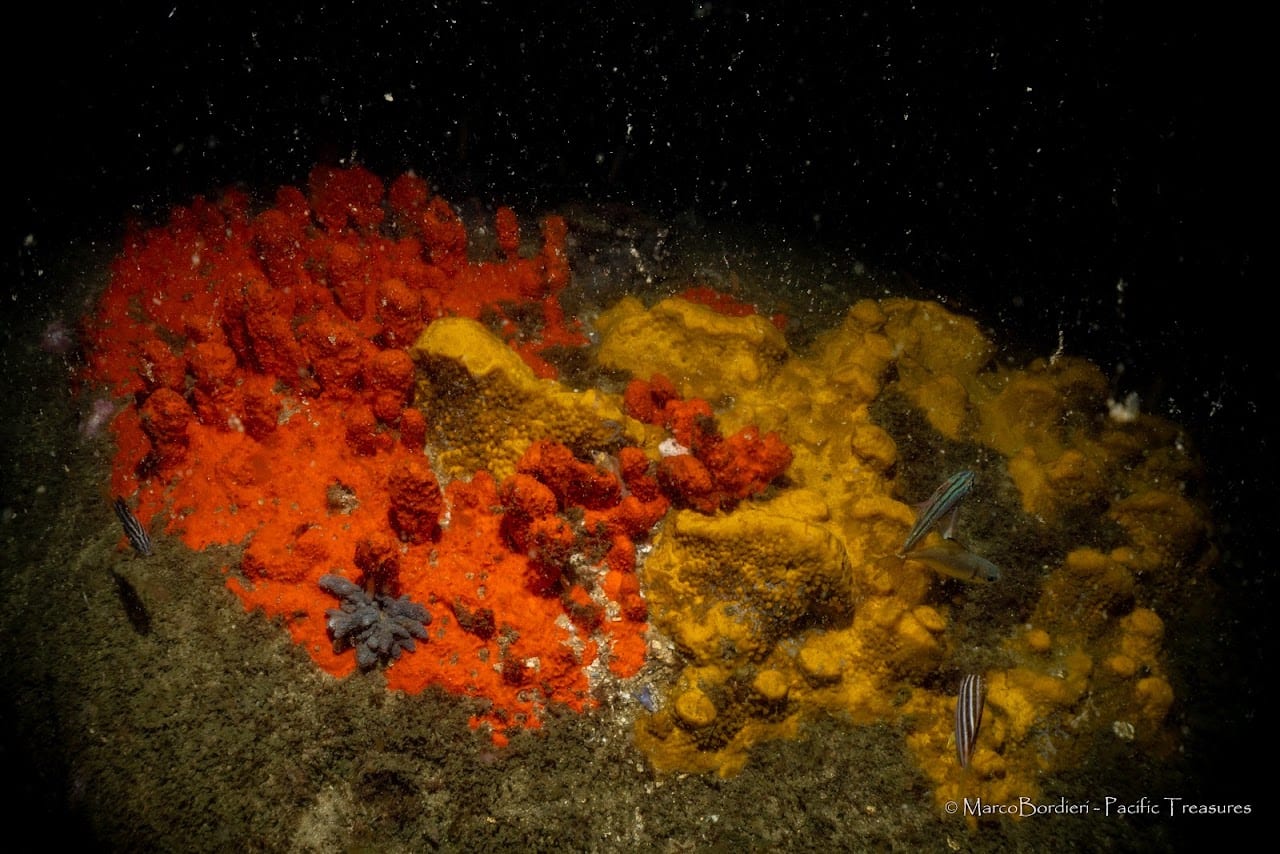
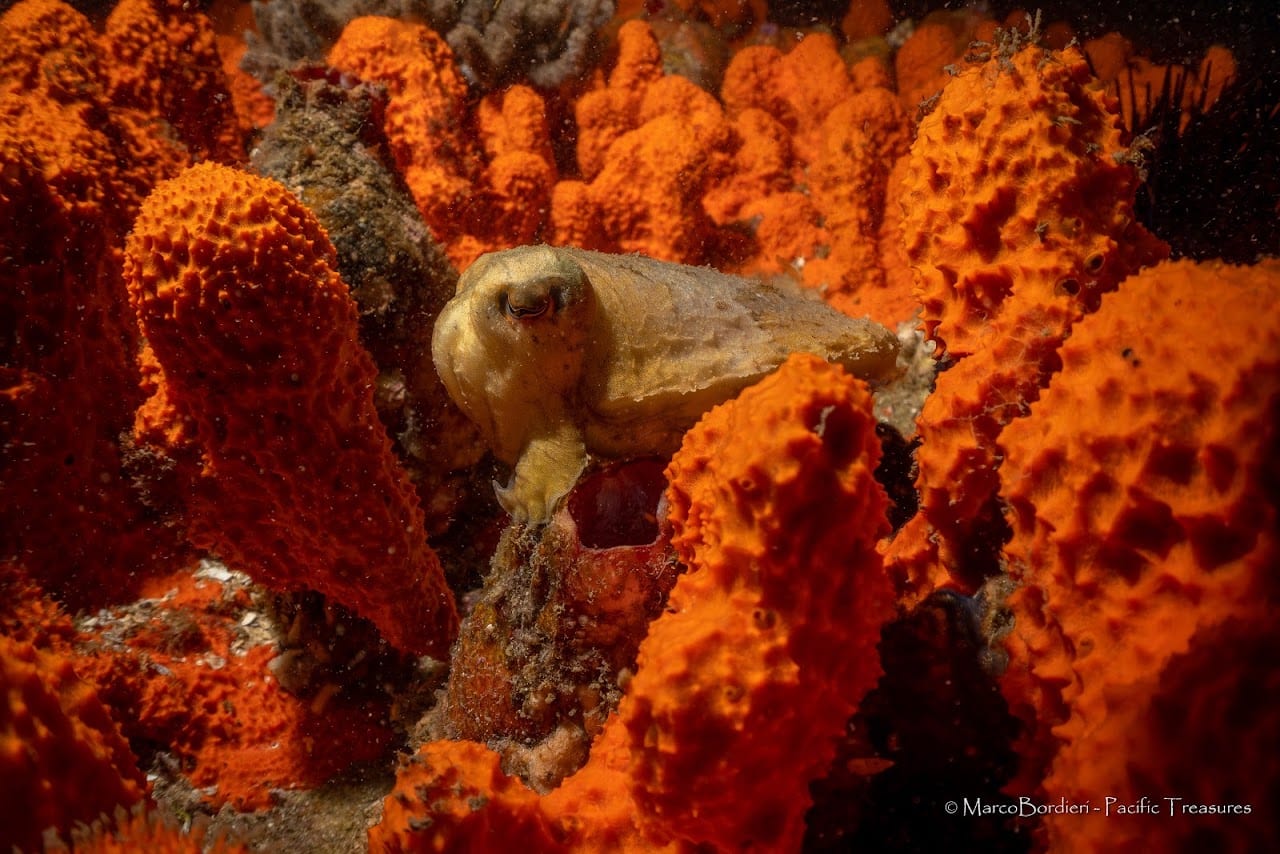
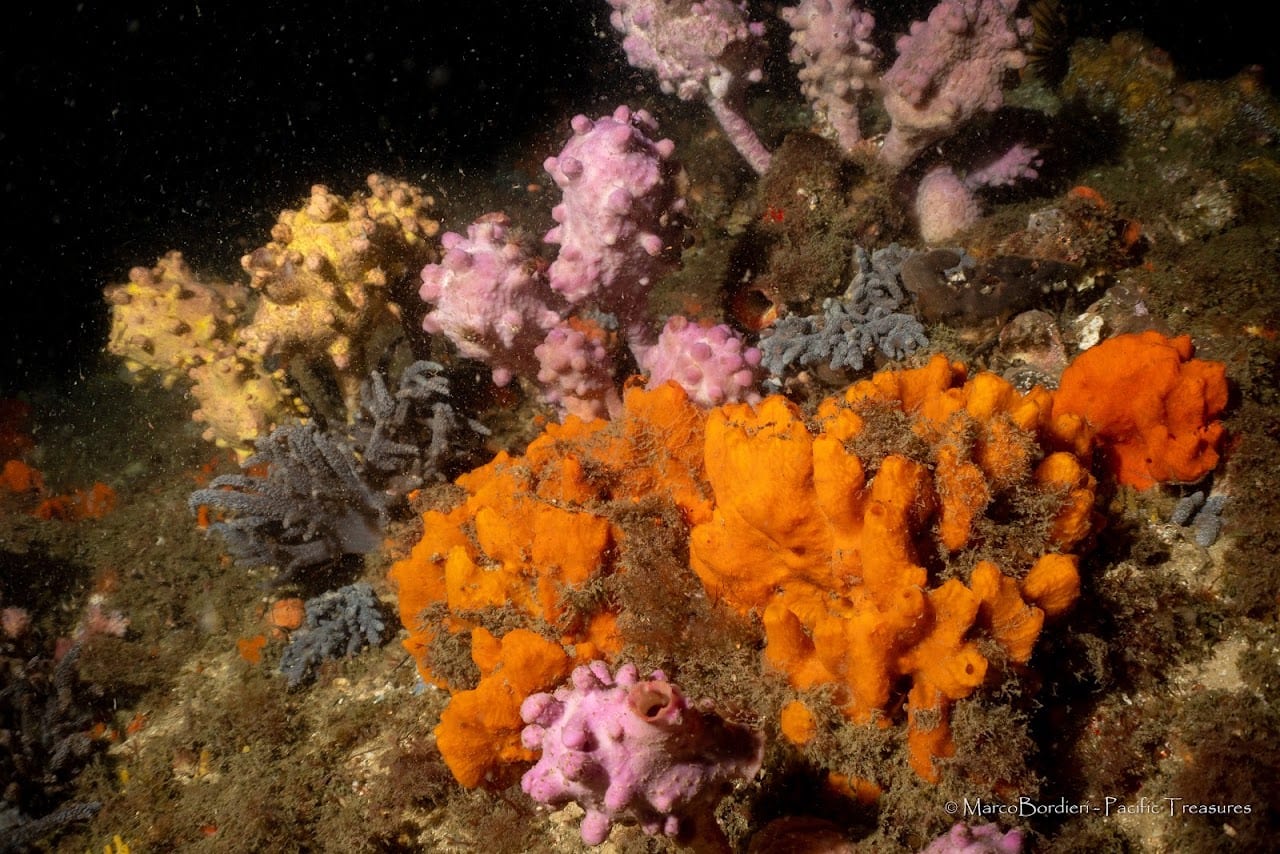
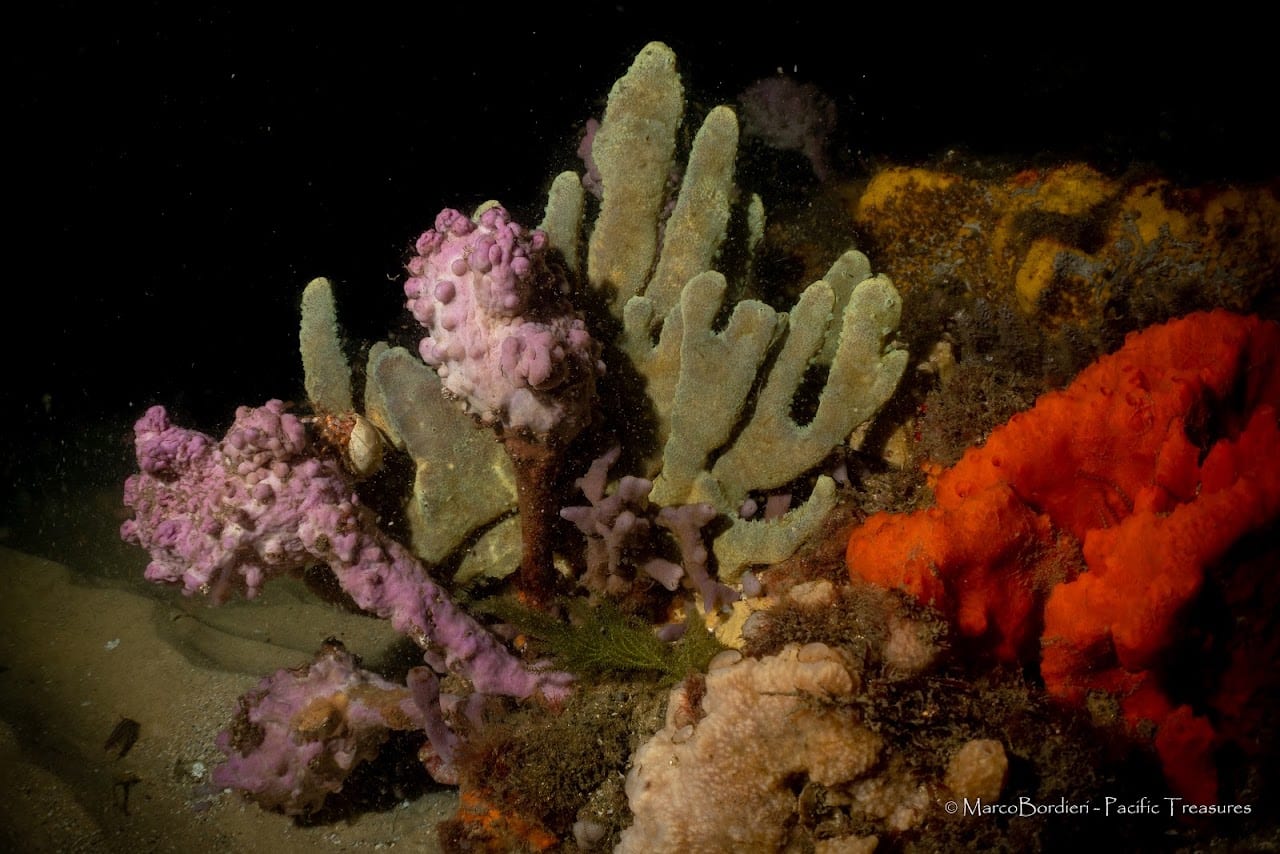
The best of it is the north-east segment, with large sponge gardens near the 8–10 m sandline. The dive ran 1h40m on a 15 L tank with frequent stops for the sponges and the abandoned anchors — I counted at least twenty.
Two of them deserve a mention: admiralty anchors from the Edward Lombe, wrecked in 1834 with the loss of twelve lives. The wreck itself was salvaged and sold; the anchors are still there, sitting in a sponge landscape, and they are a sight to remember. There is a history of the Edward Lombe and an inspection report from the Heritage Office.
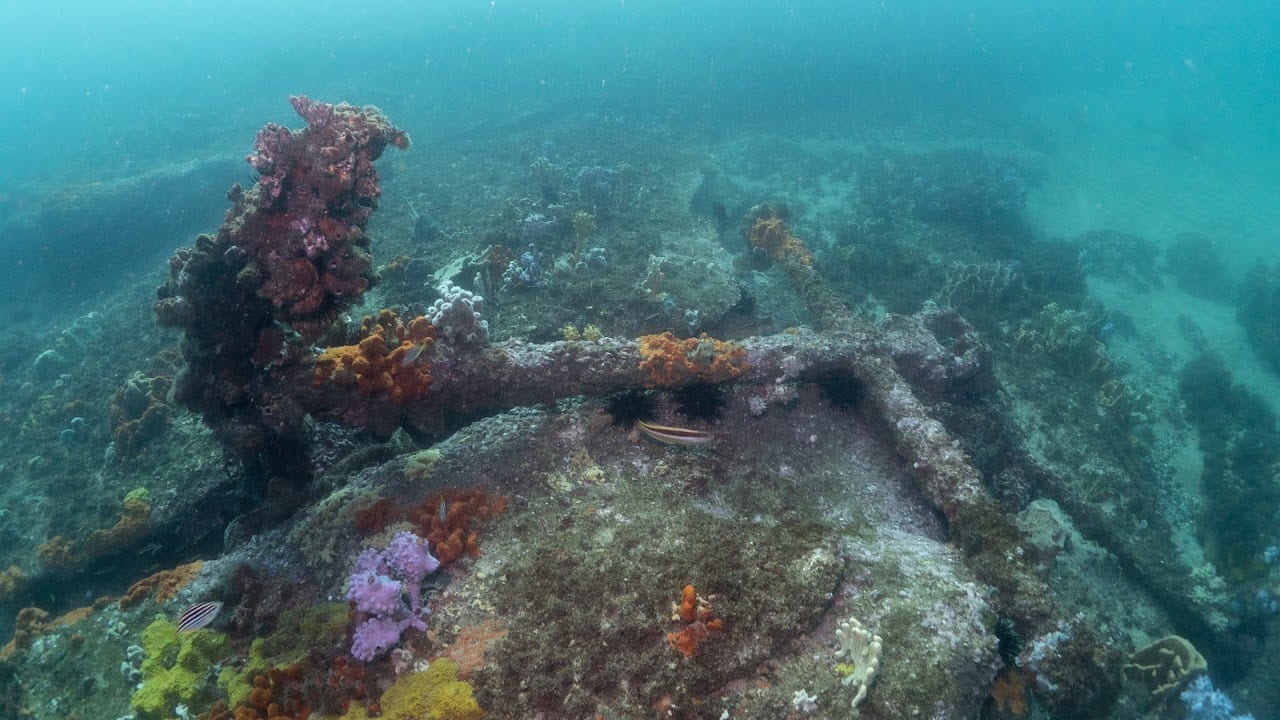 The southernmost anchor marked on the map — there since 1834
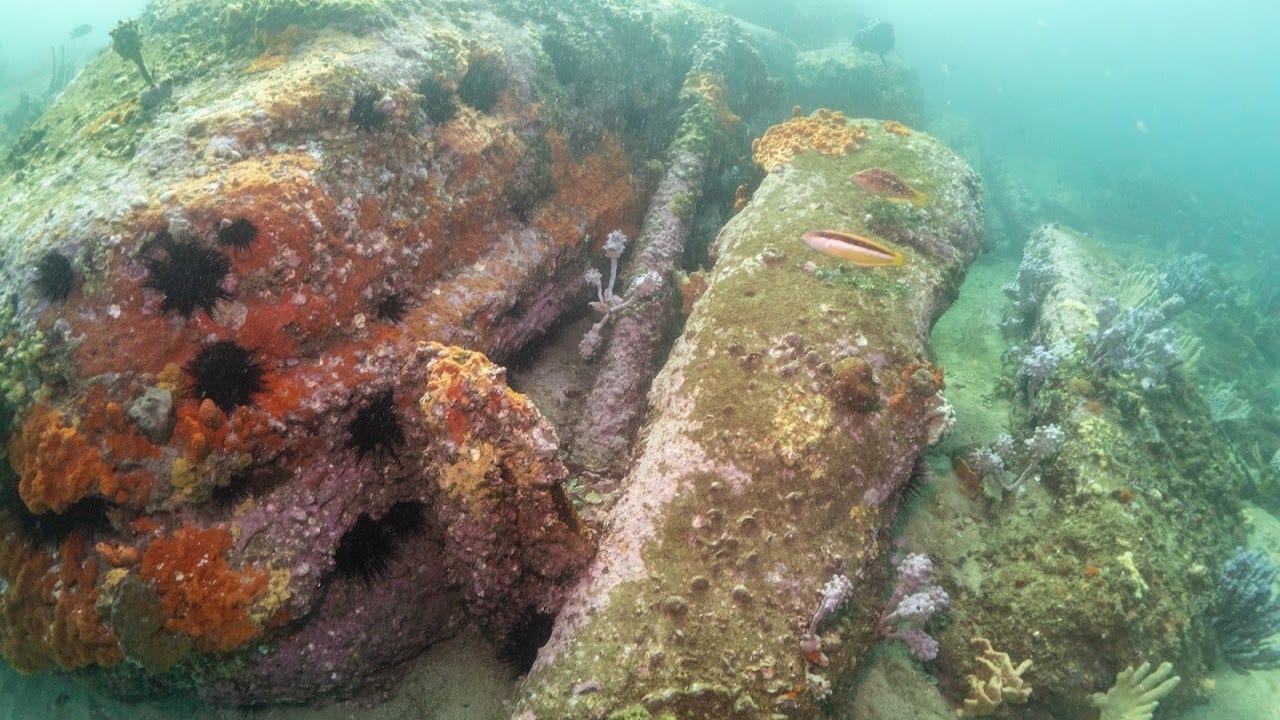 Another anchor, 70 m north of the one on the map
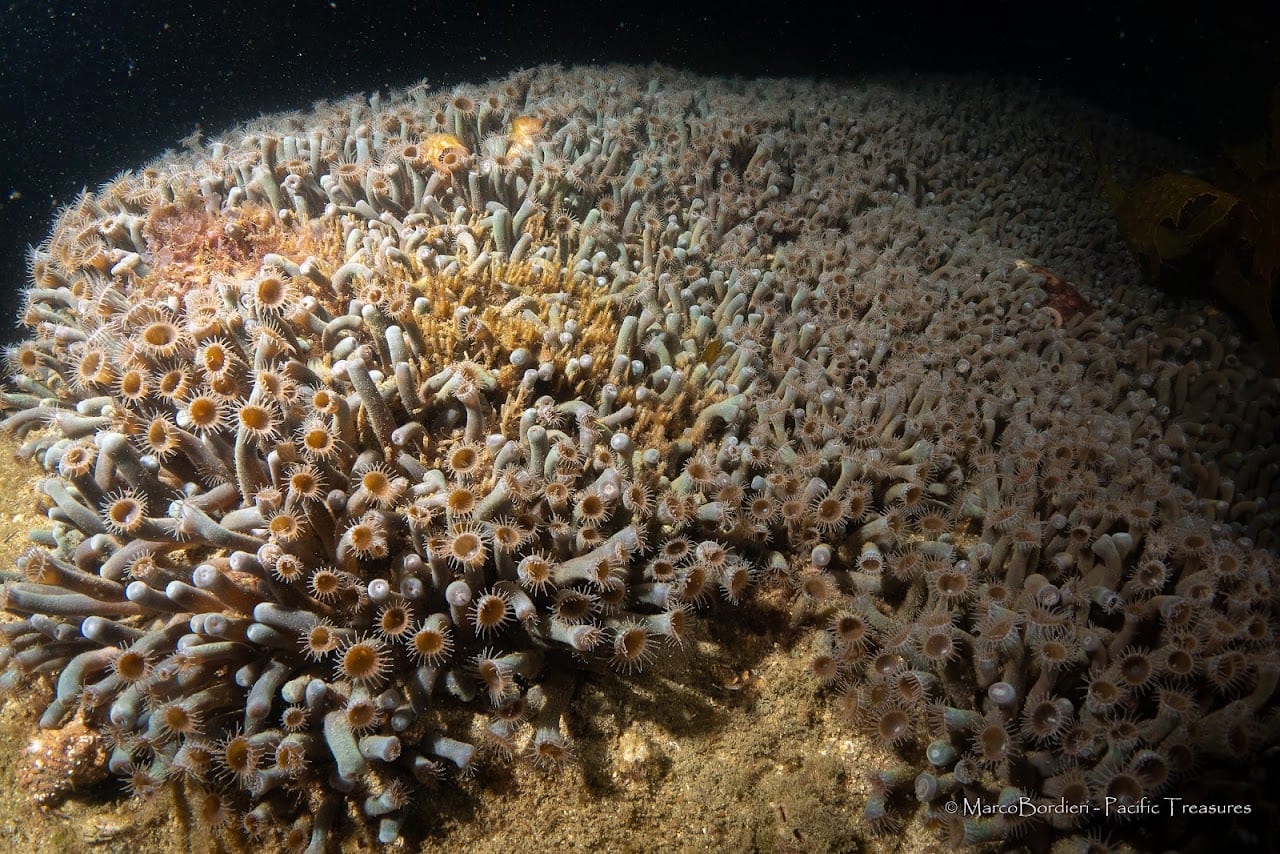
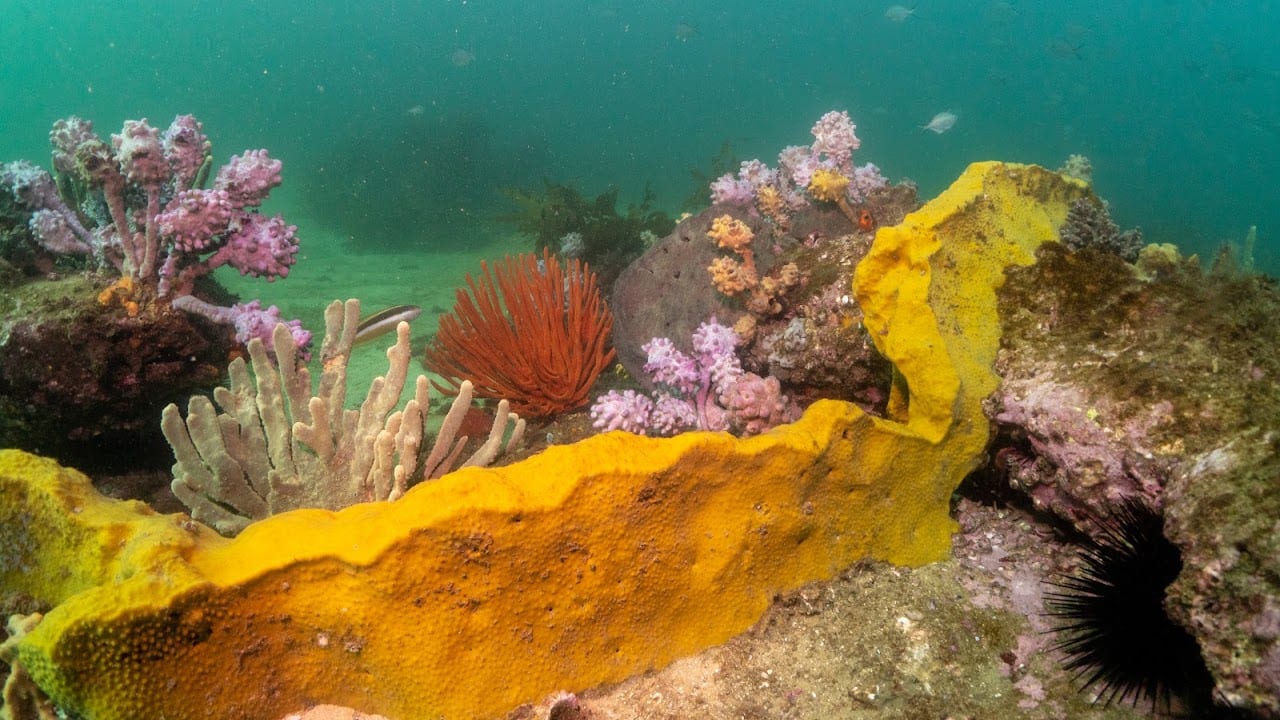 Sponge gardens run the whole east side
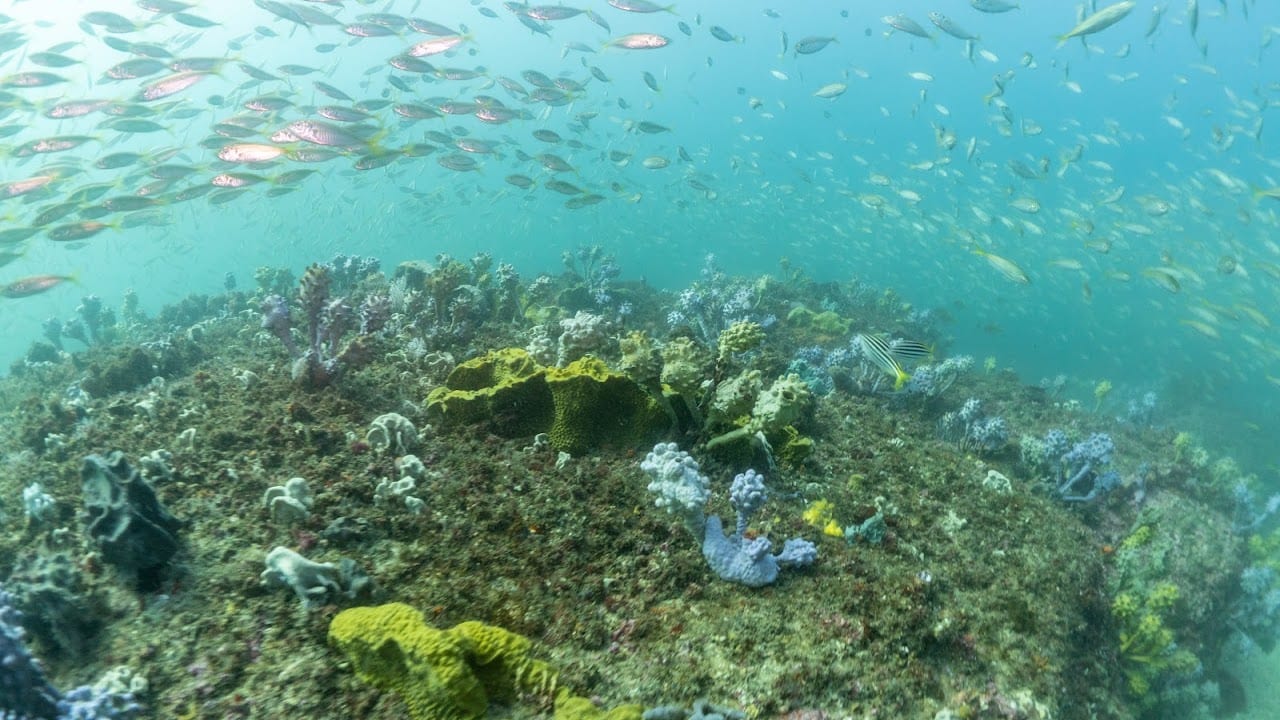
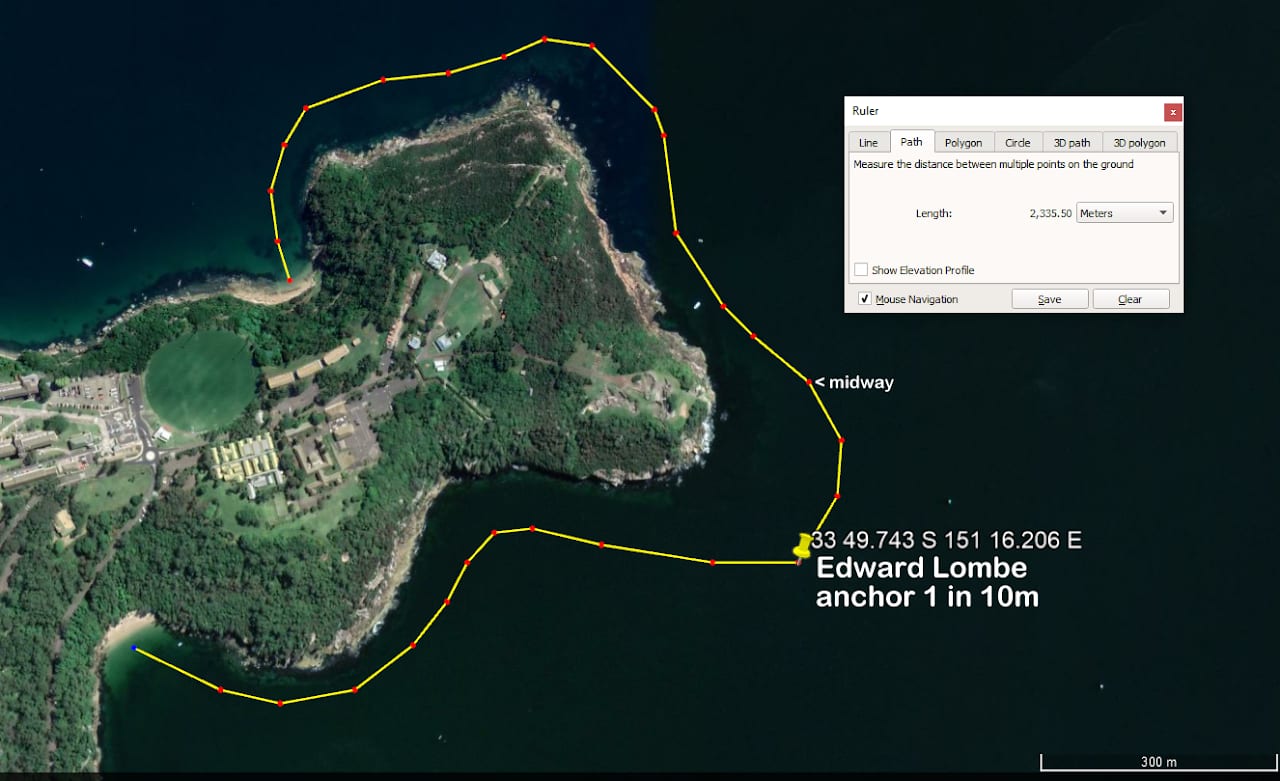 The length of the circumnavigation, and the midway point if you need to abort
From Cobblers Beach
Park at the start of the path and be ready for the walk: 450 m and 37 m of descent, though the incline is moderate.
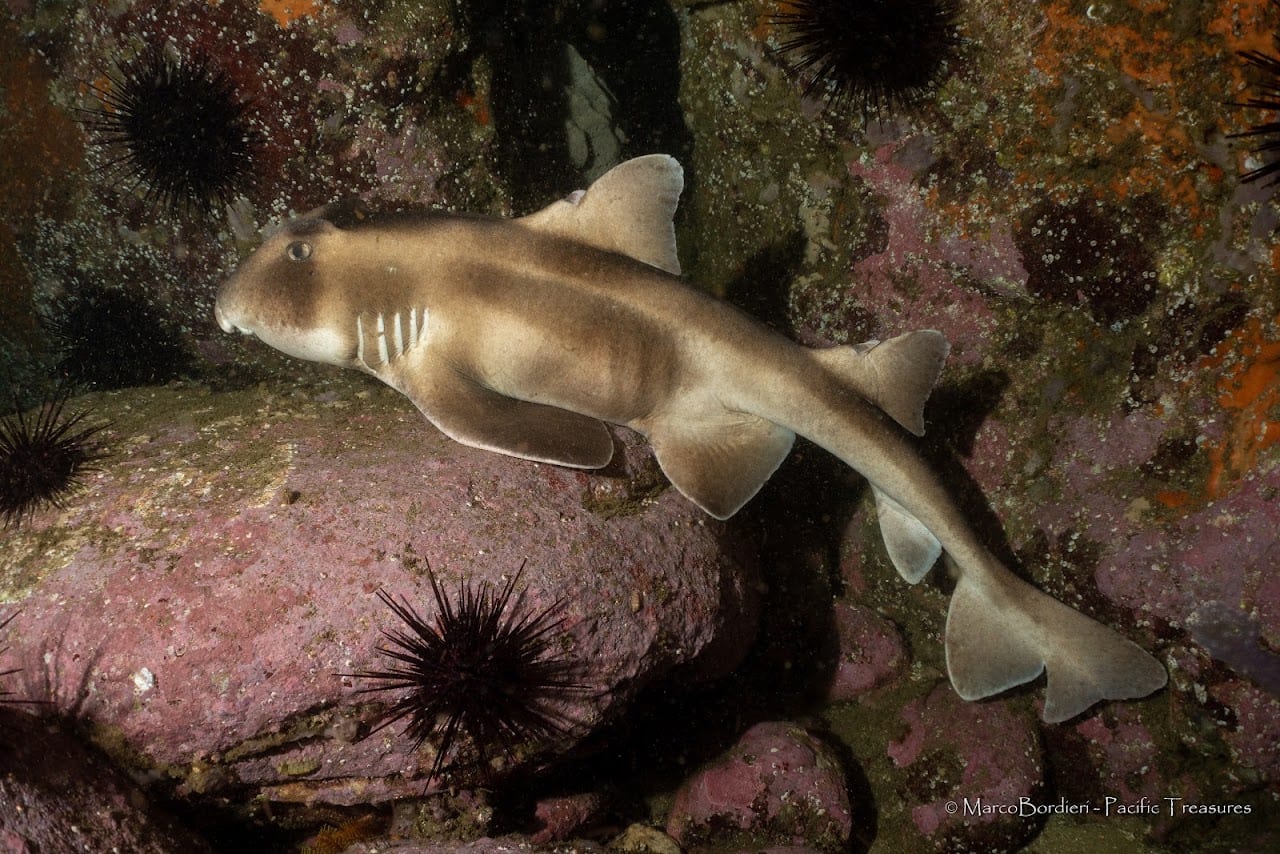
The target is the wreck 210 m from the beach — a 6 m barge, 1.5 m high, hull partly corroded with some growth on it. Nothing spectacular, but it sits in the middle of a sandy bottom, so the trip is the attraction. On 16 September 2020 I found juvenile 30 cm Port Jackson sharks and a hammer octopus between the shore and the wreck.
The wreck is small and a long way out, so watch the clock: if you have not found it in 8–10 minutes you have overshot it and it is time to head for the coast. That assumes you know your cruising speed — mine is 25 m/min, and measuring it is worth the trouble. Overshooting a waypoint and then navigating from a position you only think you are at is the classic underwater navigation error. I once surfaced in somebody's back garden in Vaucluse instead of Parsley Bay.
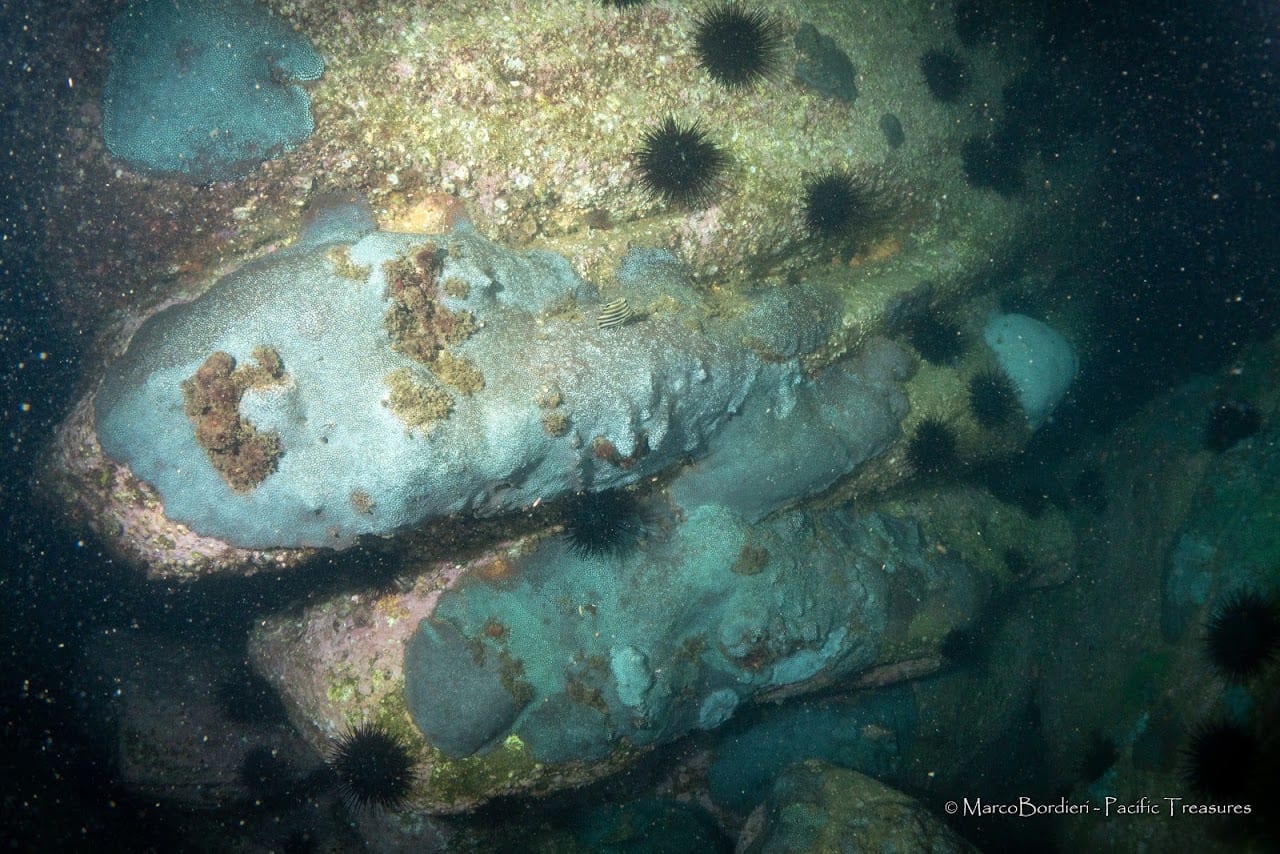
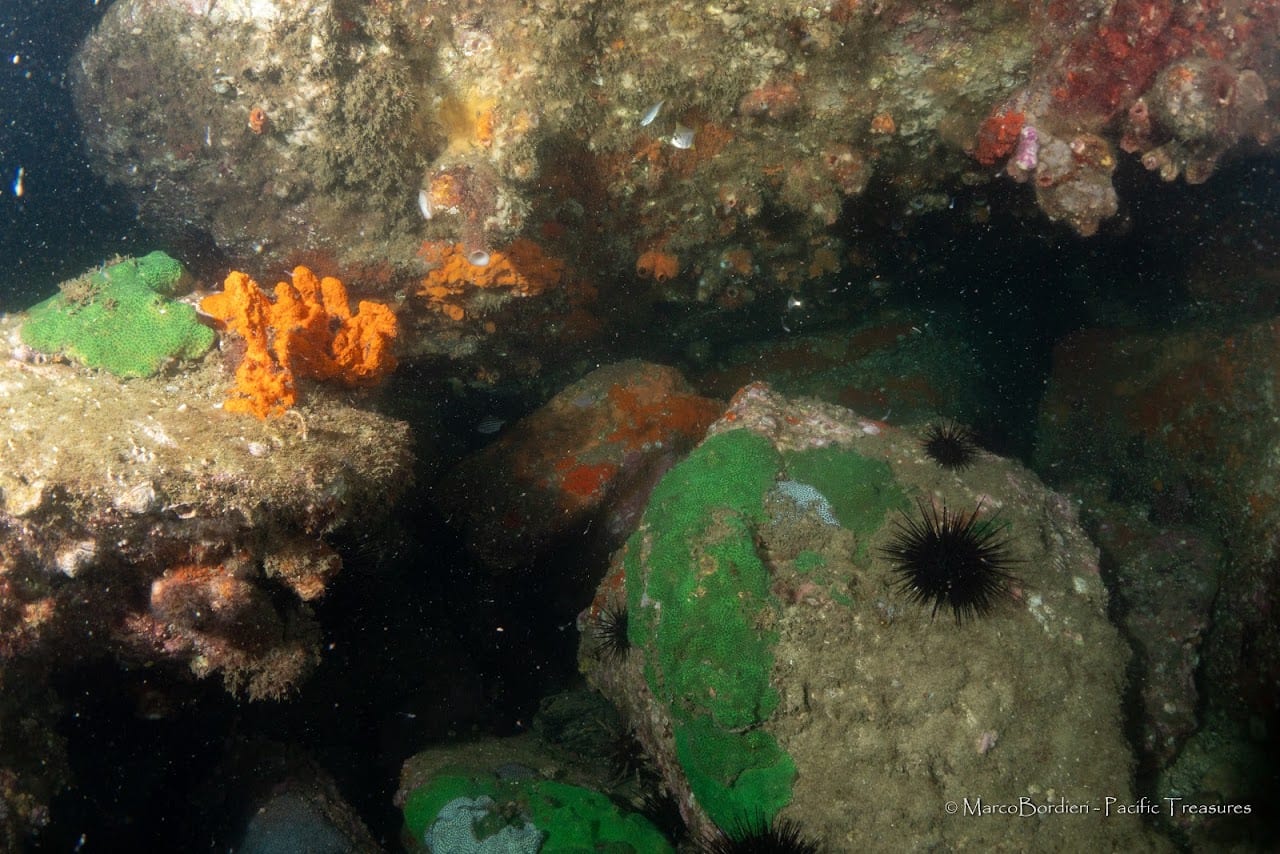
From the wreck, head east and follow the coast as air allows. I did about 200 m and found big boulders stacked with crevices and swim-throughs, covered in blue, green and orange sponges, and a large lobster — uncommon to see, and almost never during the day.
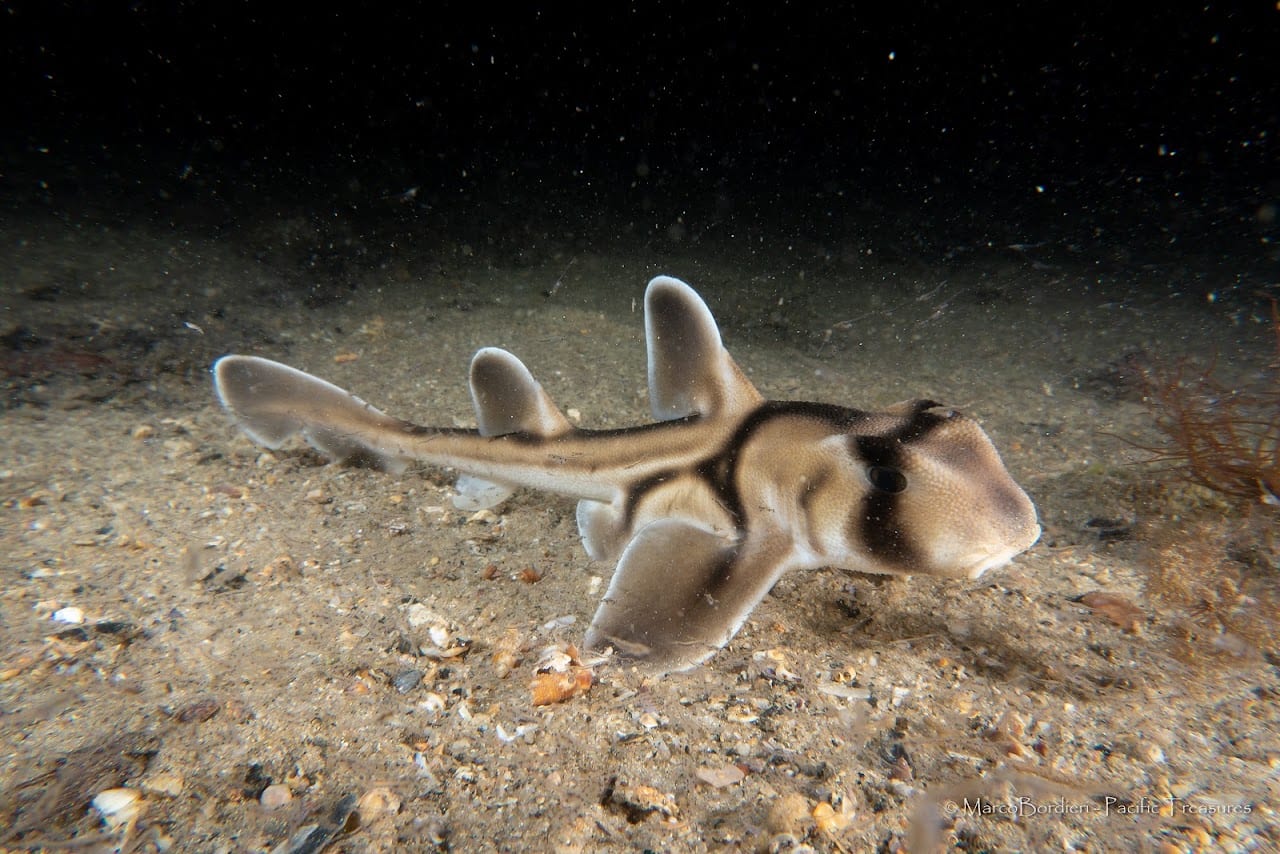 On the way to the wreck: a tiny Port Jackson
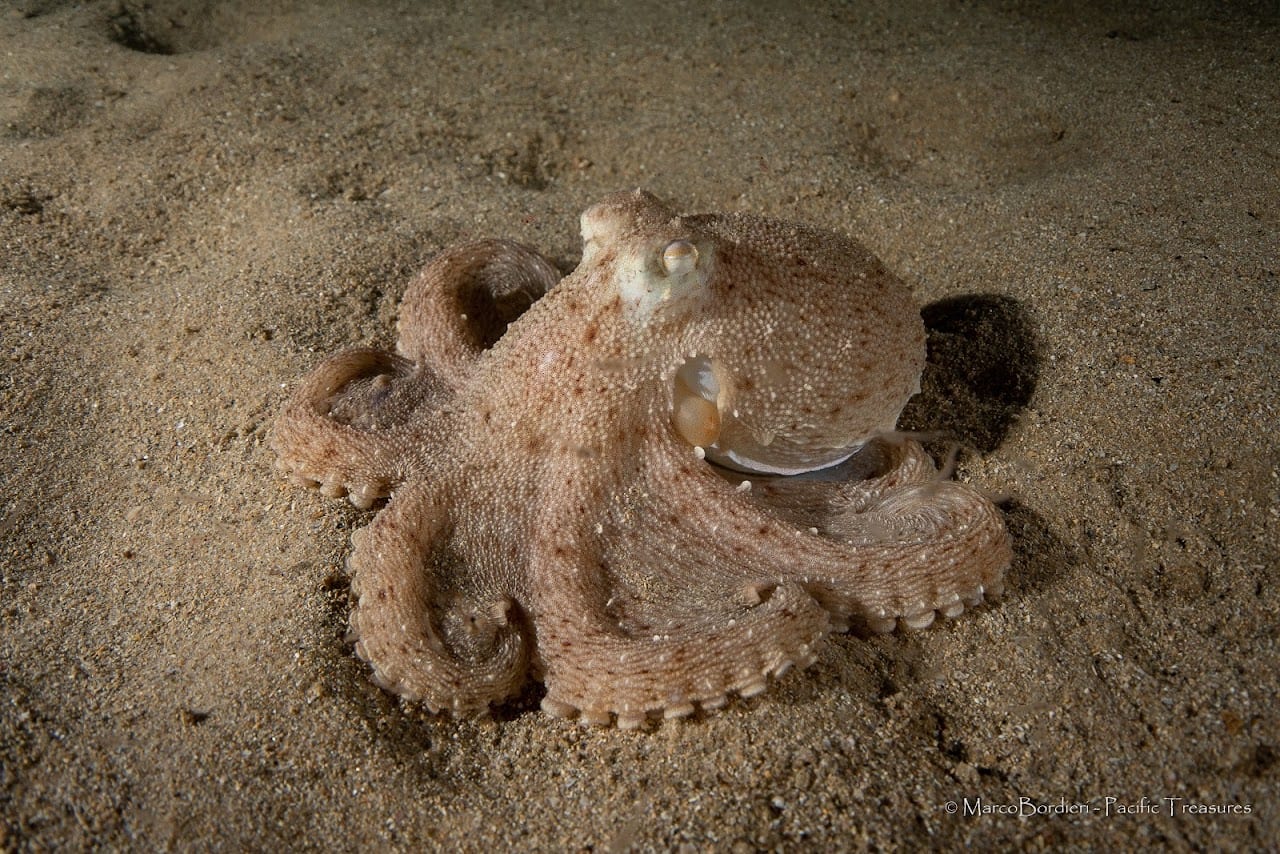 A hammer octopus between the wreck and the coast
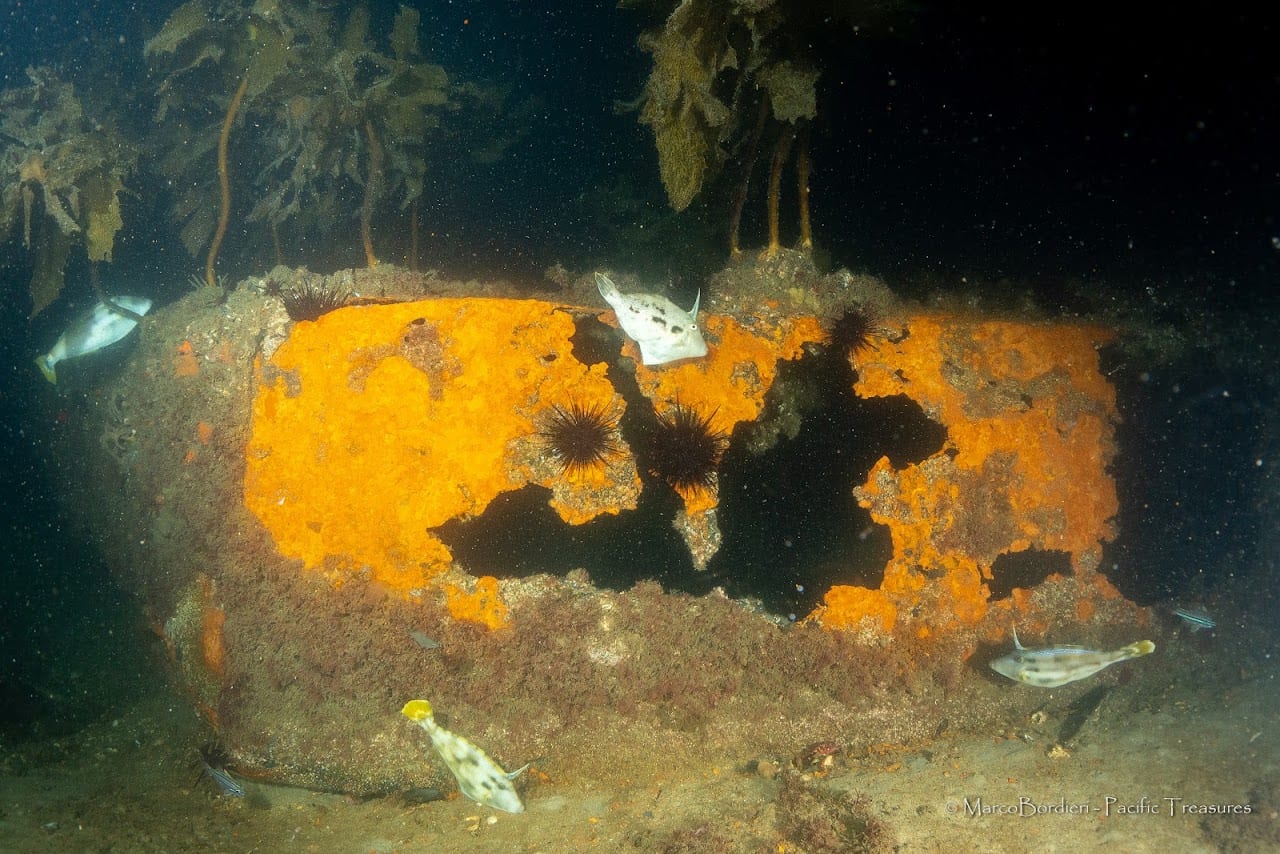 This barge has seen better days
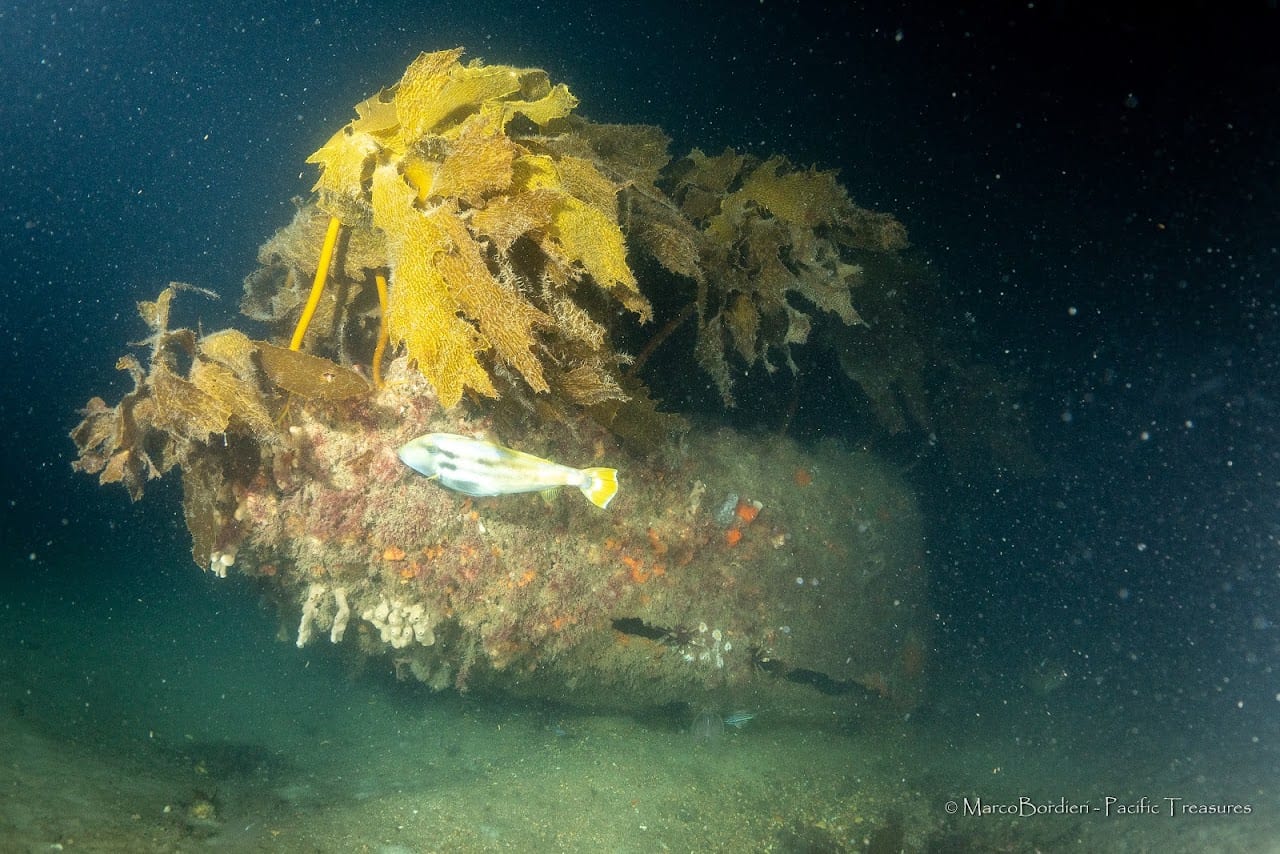 The wreck again
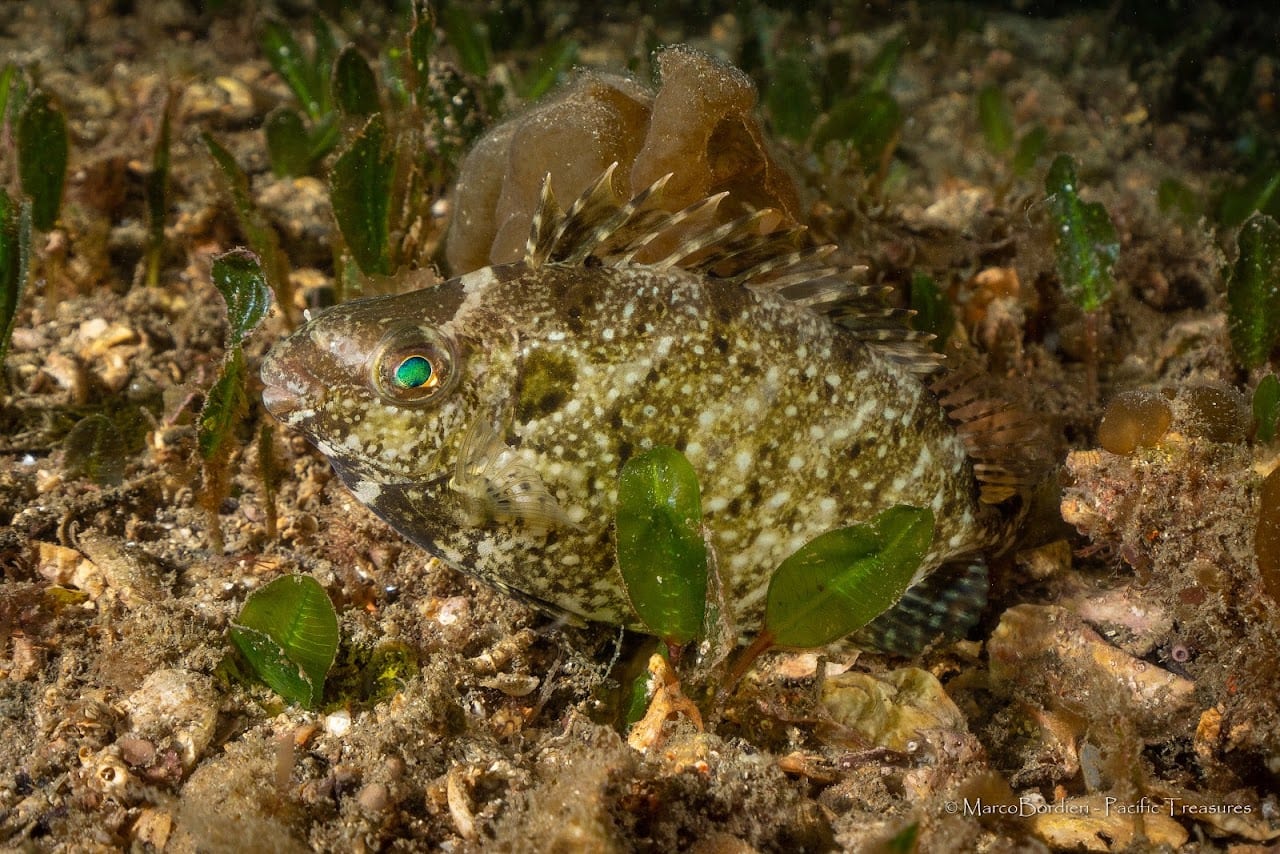 Rabbitfish
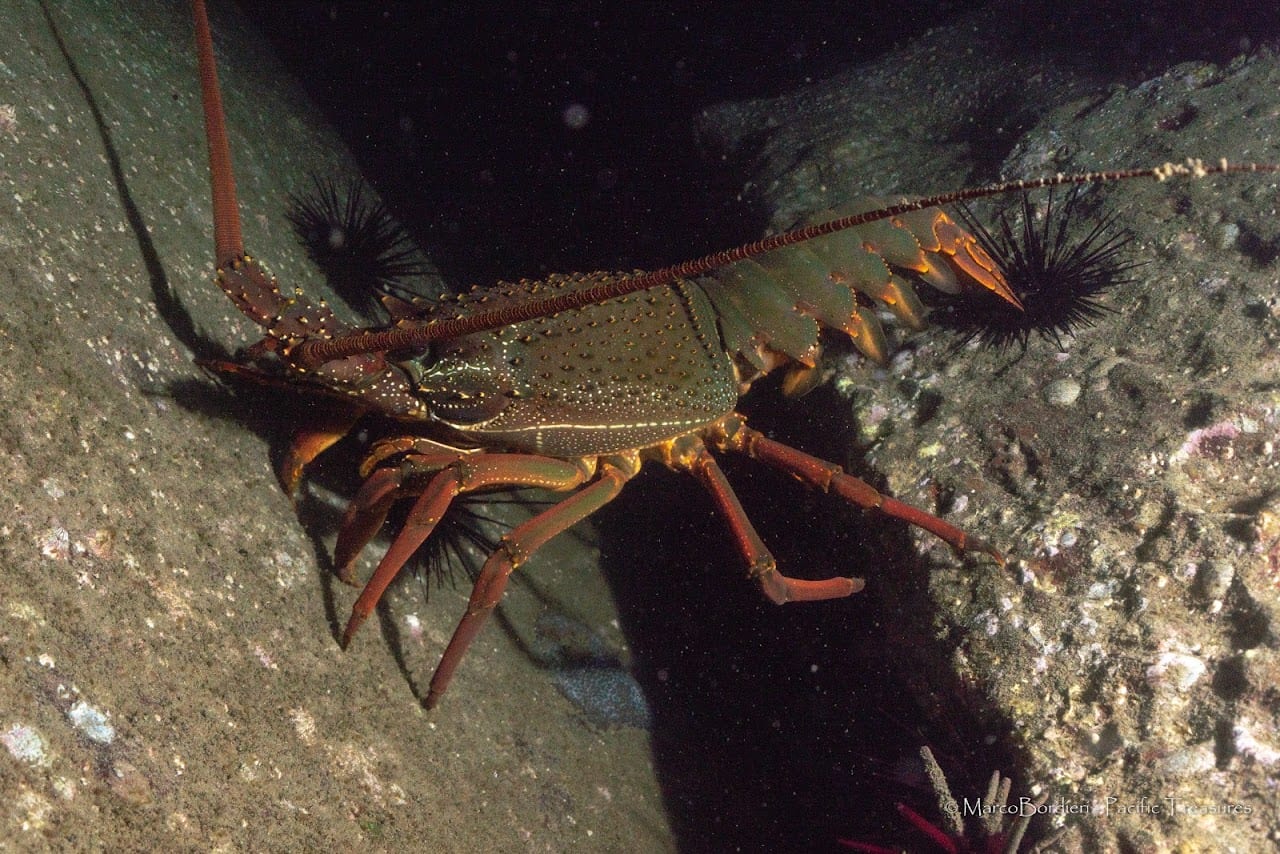
From Obelisk Beach
The same descent, but the path is shorter with tall steps. Obelisk puts you closer to the sponge gardens, though they are not as extensive as the north-east side.
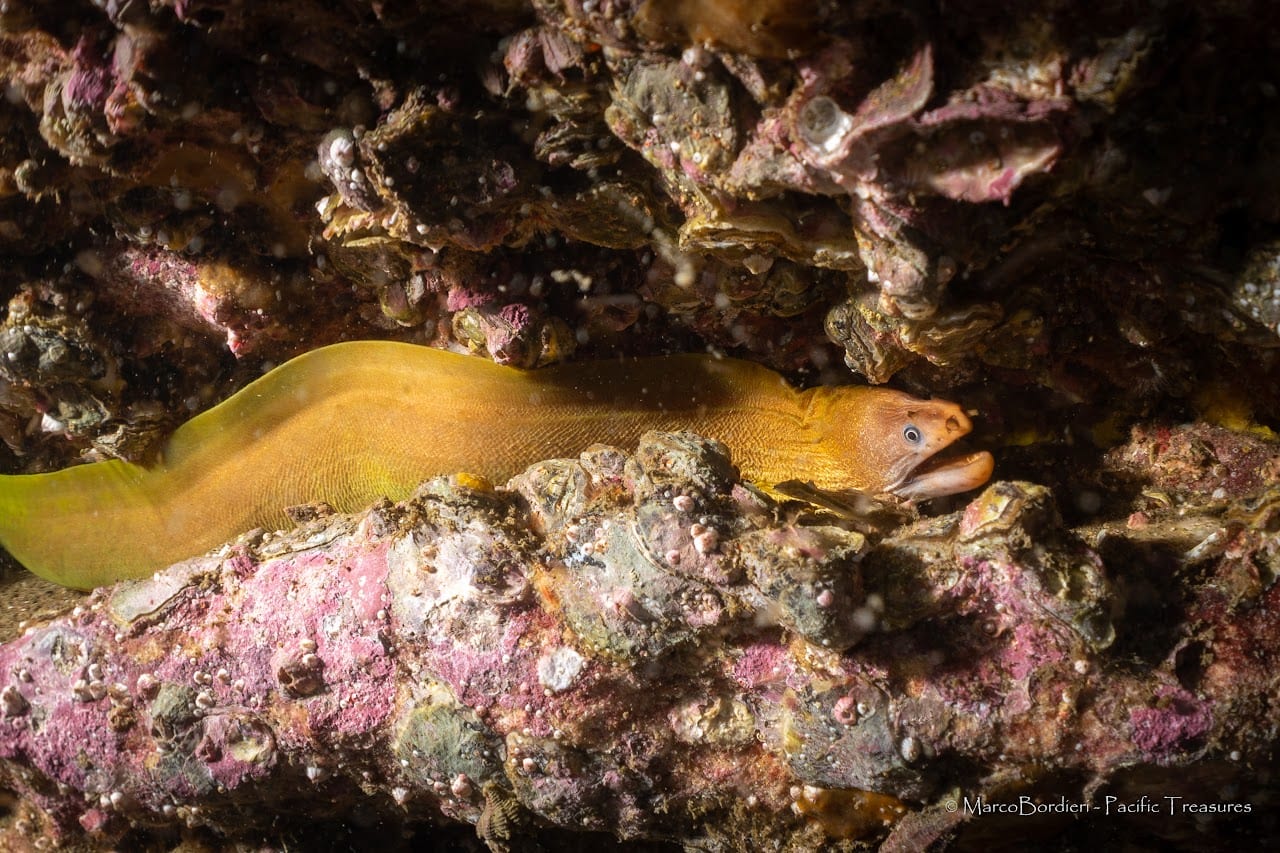
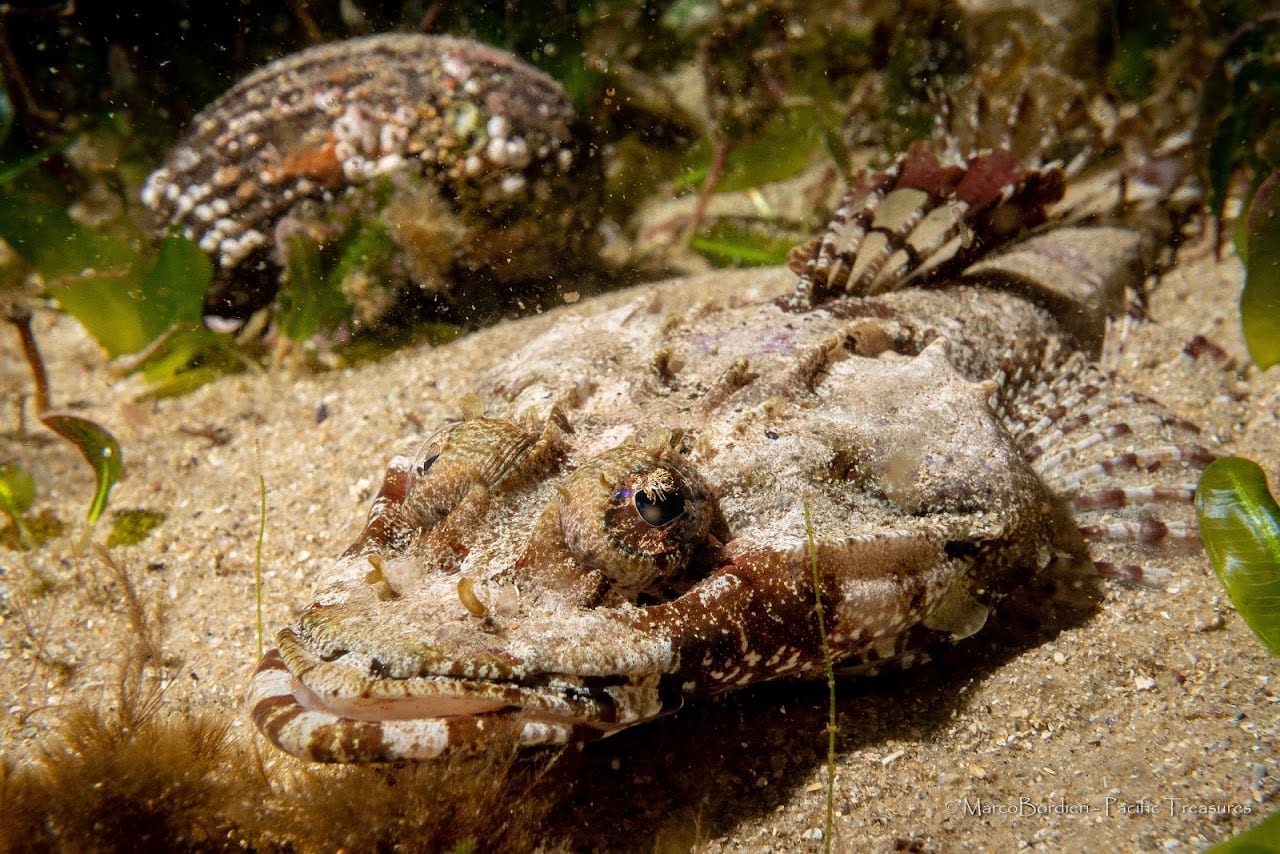
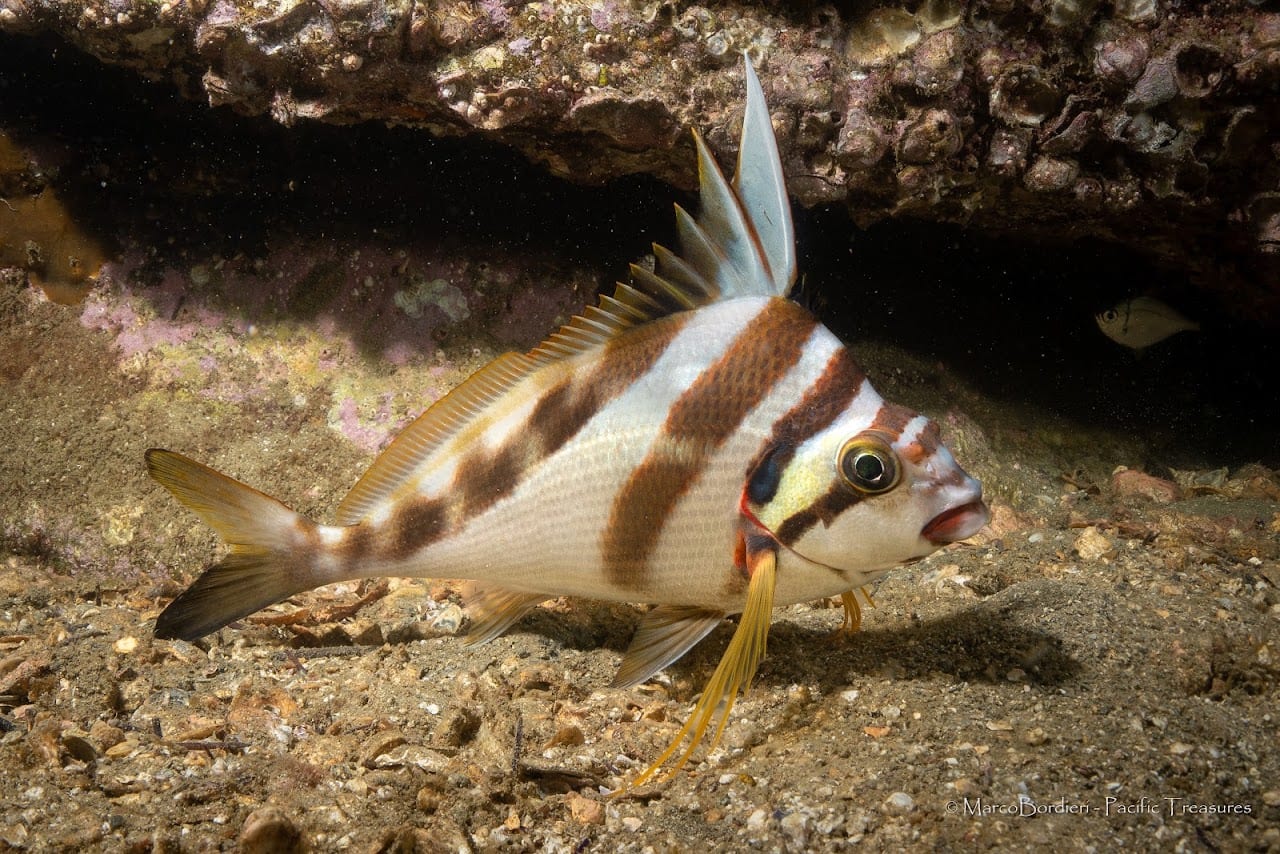
The dive is simple: follow the sandline east as air allows. On 3 September 2020 I swam 450 m before turning. The first 200 m is unremarkable; after that the scenery changes to sponges of every colour and overhangs that reminded me of Fairlight. The sandline sits at 7 m. Five Port Jackson and crested horn sharks resting in the crevices, a crocodile fish, three eels, two octopuses, red morwongs.
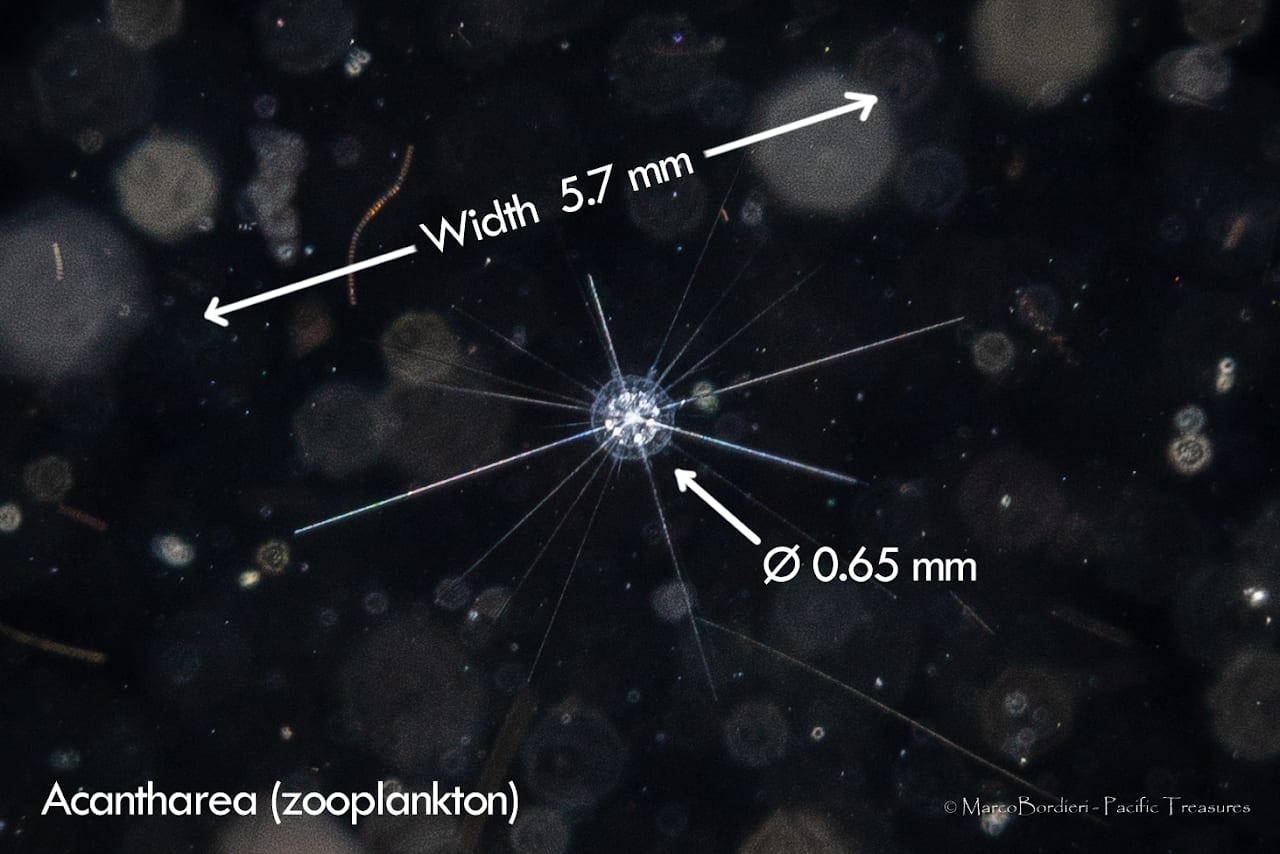
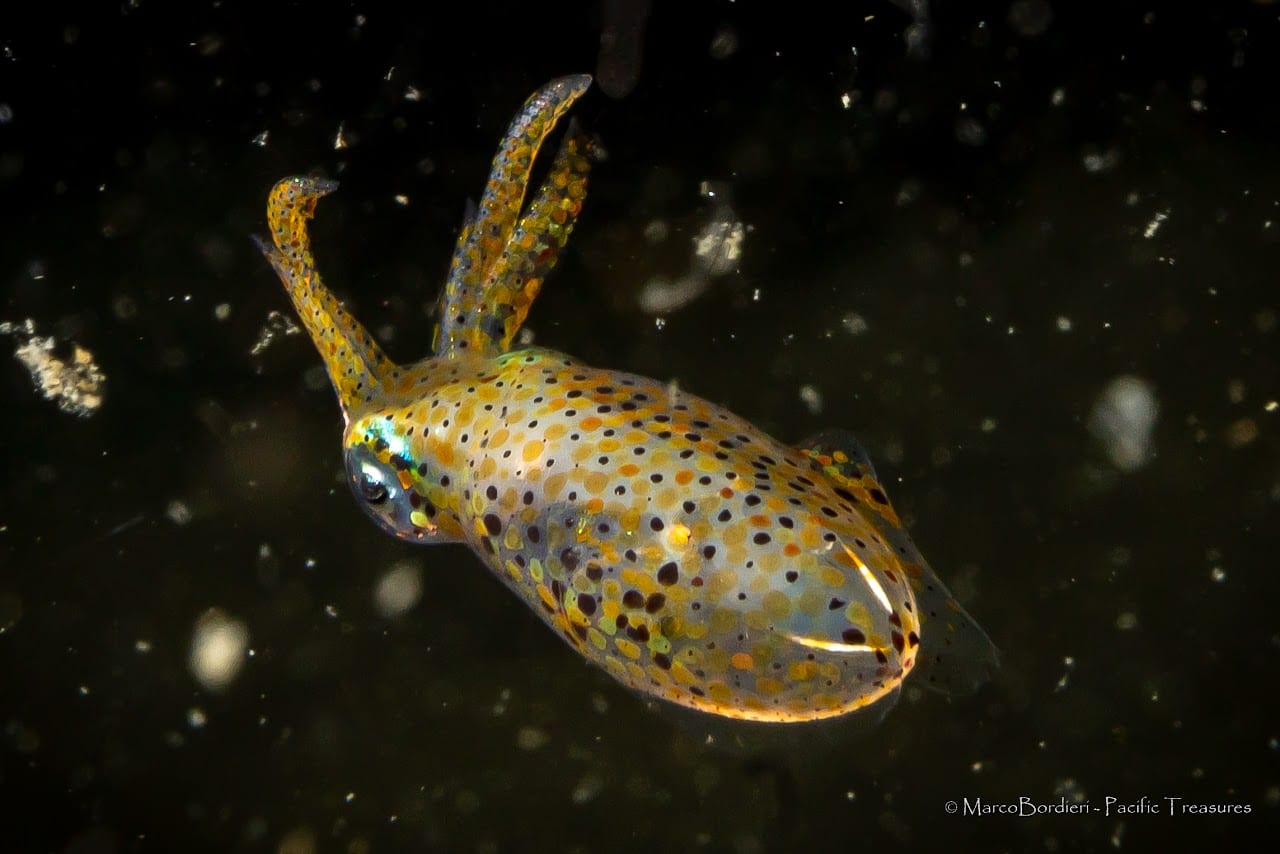
Back at Obelisk, using up the last of the air in the shallows, I was trying to photograph tiny squid floating in the top 50 cm. I got one in focus — and while deleting the rest found a plankton shaped like a cosmic star, so precise and symmetrical that I checked my lens for a crack. Using the optical meter described here I worked out how big it was.